WILDLIFE INDIA
HOME : Trip Reports |
||||
Trip Report - Wildlife Trip to IndiaDestination Covers : Delhi –Pench National Park – Kanha Naional Park - Bandhavgarh National Park - Lucknow - Corbett National Park In the evening we boarded the train to Lucknow. Just before Lucknow, close to Bheemsen, we saw 2 Sarus Cranes along the railway track. It was a relief to meet Manoj when the train stopped at the railway station in Lucknow. During the five hour car drive to Dudhwa we saw another Sarus Cranes (2+7) along the road. In Dudhwa there were new ackomodations. I think Manoj has used his influenses a great deal to see so there are new houses. The old ones were in bad condition, so we enjoyed the luxury of new houses. 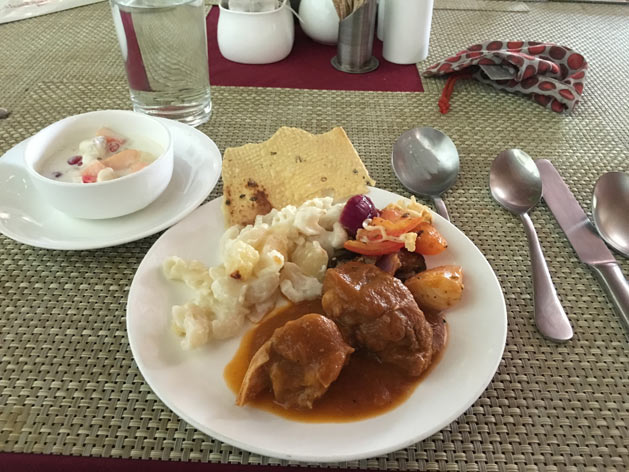
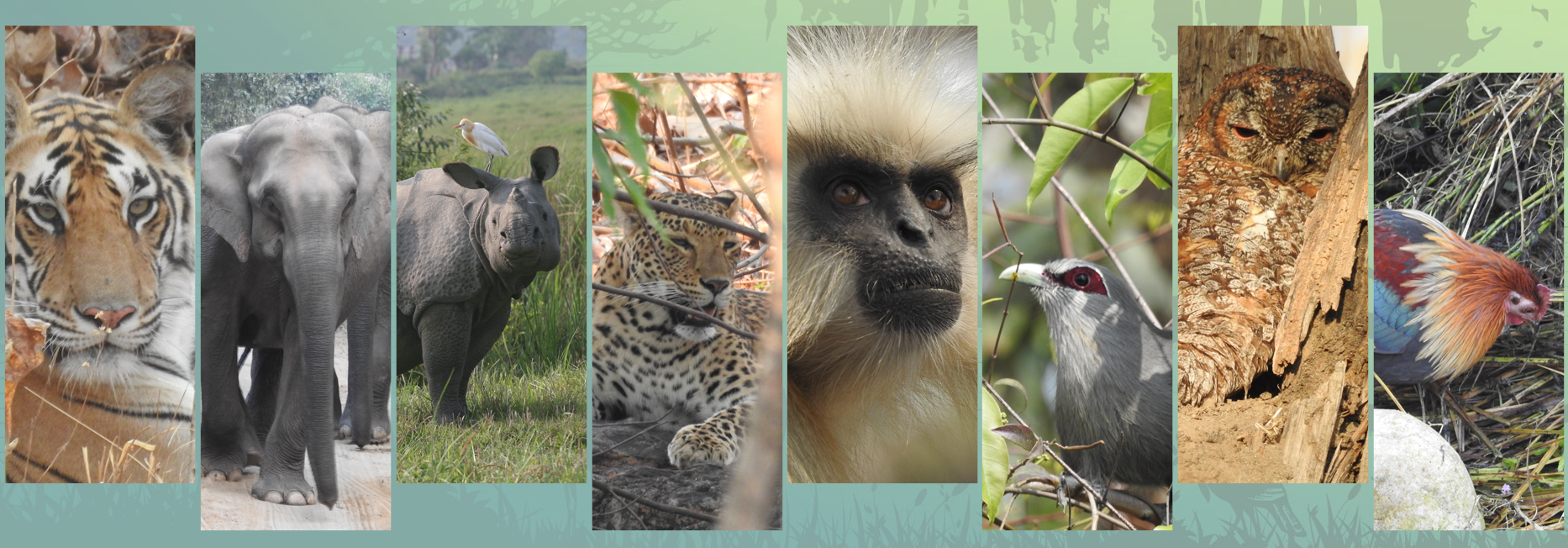
On the way back to the camp our keen-eyed guide, Laxmi, found two dark spots moving at a distance. Sloth Bears! A great surprise to us, as they are almost never seen during day time. Many of us got a new species to add to the mammals list. From a viewing tower beside a small lake we saw many birds: Black-necked -, Openbill – and Woolly-necked Storks, Lesser Adjutants, Pheasant-tailed – and Bronze-winged Jacanas, and many many other birds. We also studied Desmostachya bipinnata, the grass that is so important to the herbivors here, as well as in Corbett. We stayed on a bridge we slow running water under us, and here we saw many colourful birds above 6 Muggers: three species of Kingfishers, Pied, Common and White-throated, and a Hoopoe. In Dhikala, in the center of Corbett National Park we stayed the last nights of our animal tour to India. Just inside the fence to Dhikala we found a stationary Monocled Cobra. It was so cold during the nights so it didn’t show until lunch time when the sun had warmed the ground to a decent temperature. All of us could come and see the snake, but if we come too close it disappeared into its hole in the ground. Very close to the gate was a kill (probably an Axis deer), and there we saw a Leopard at close range a few times. The wild Elephants had started to return from hills, and we saw some of them in the tall grass lands. 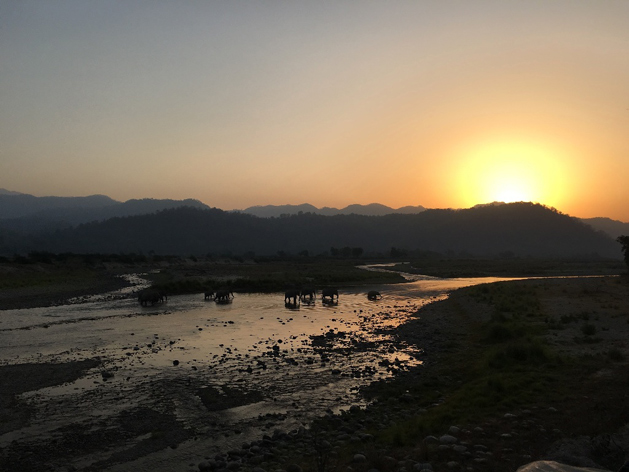 We had a fine and long observation of a tiger trying to cross the almost non existing river. However, at last the tiger did not cross the river as there came a rusty truck with a terrible noise that was not known to the tiger - so he went back and disappeared in the bush. Where there was water in the river there were many animals, for example a couple of Otters – which are rarely seen so we were lucky. During the evenings we had a nice concert of Savanna Nightjars. On our way back to civilisation we stayed at a viewing point where we saw some Gharials along the river. Here we also got some short glimpses of a Wallcreeper when it clinged to a steep-faced granite slope. A very pleasant good-bye present.
Thank you Manoj and Laxmi for a very nice time and enjoyable company. Lars-Åke Janzon Thank you Manoj and Laxmi for a very nice time and enjoyable company. Lars-Åke Janzon  |
||||


 Bharti Web